Production unit
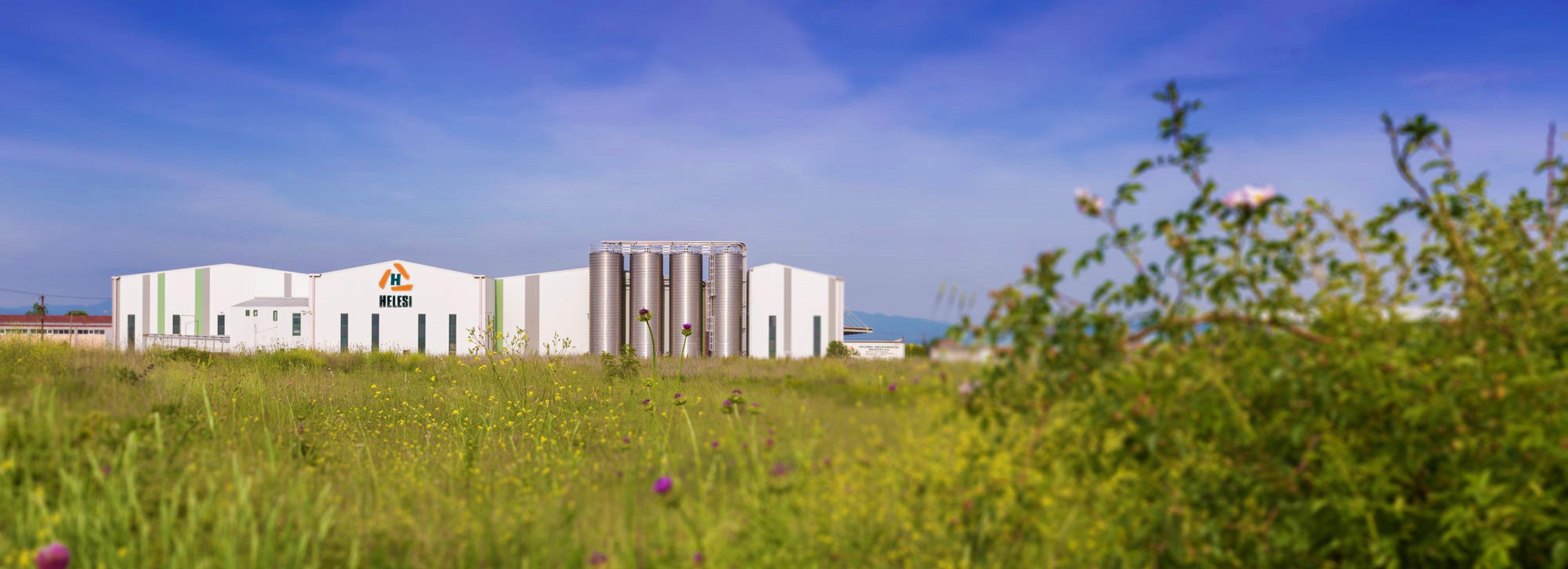
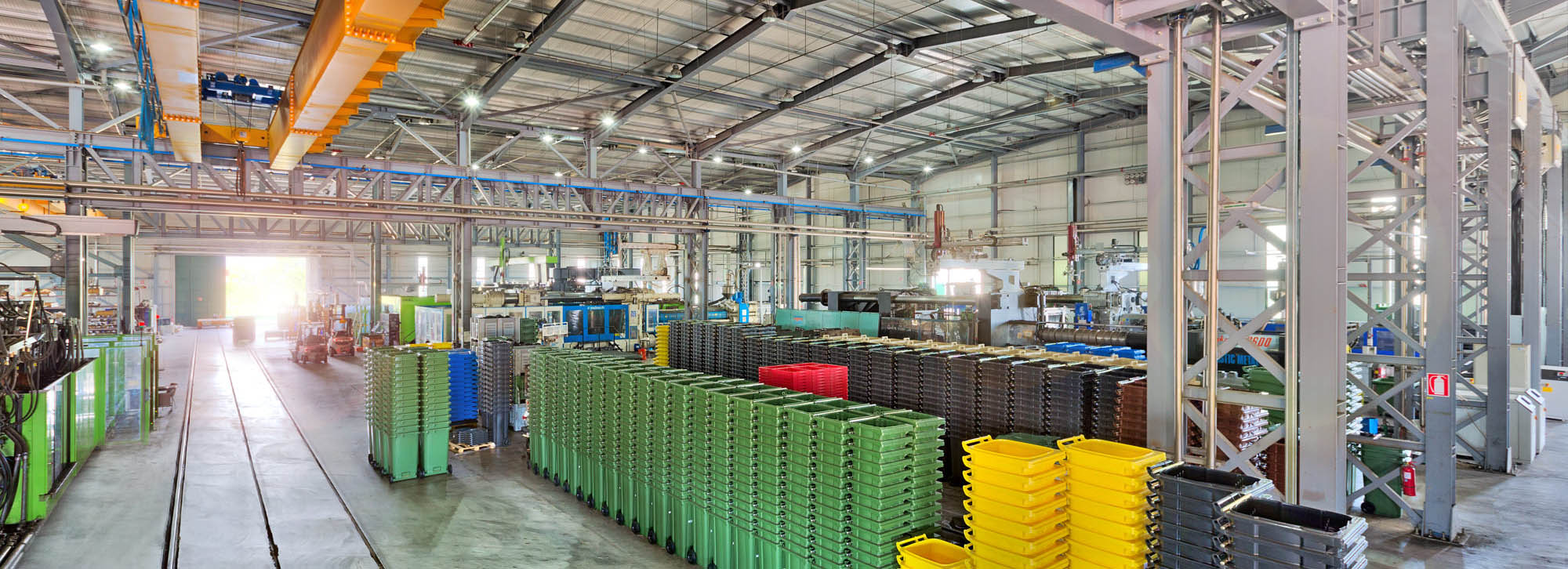
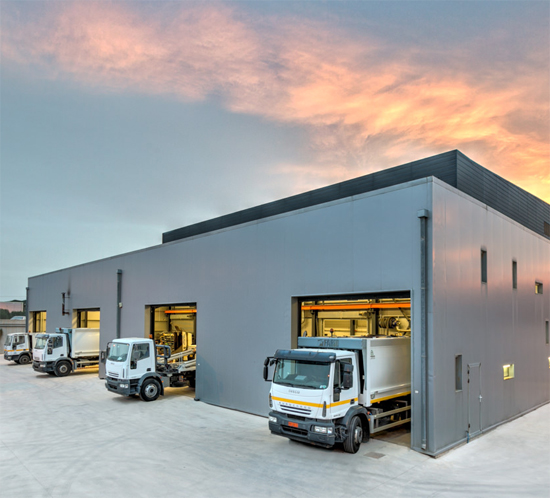
The production unit of plastic and recycling products is located in the industrial area of Komotini within a privately owned [more ..]


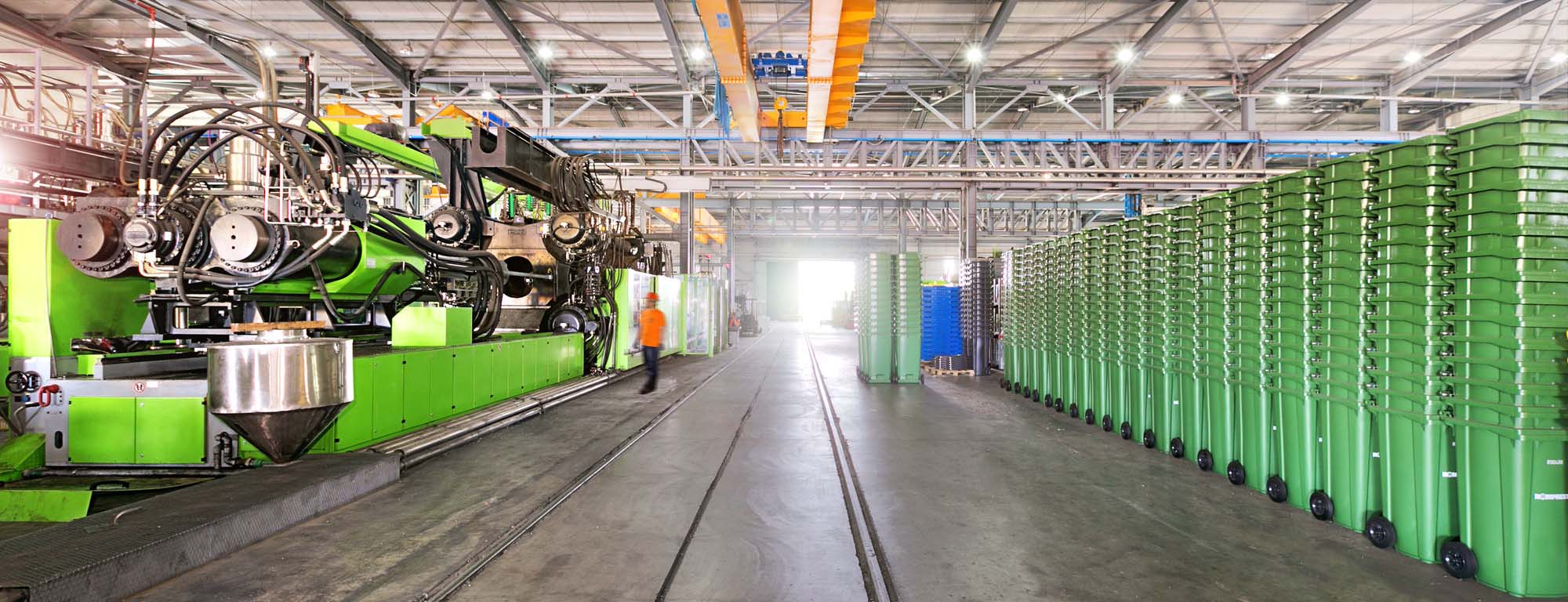
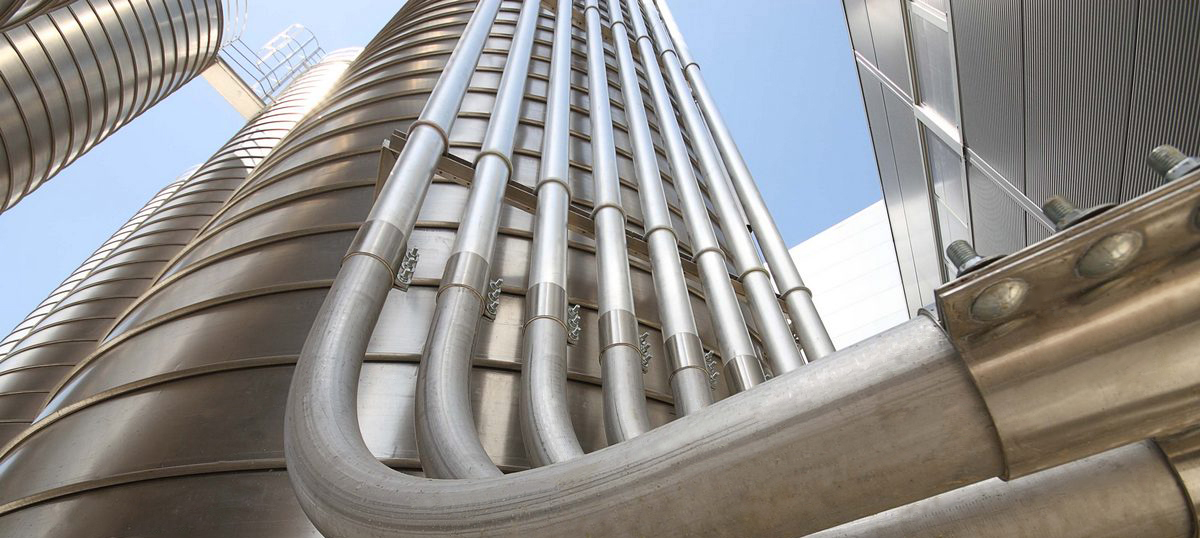


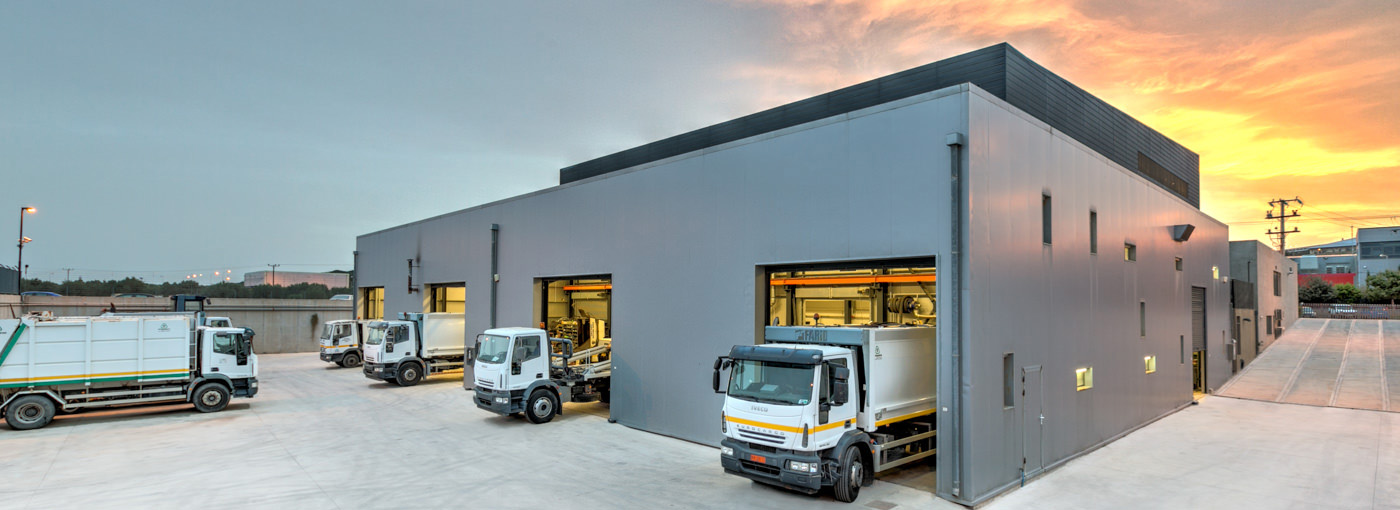
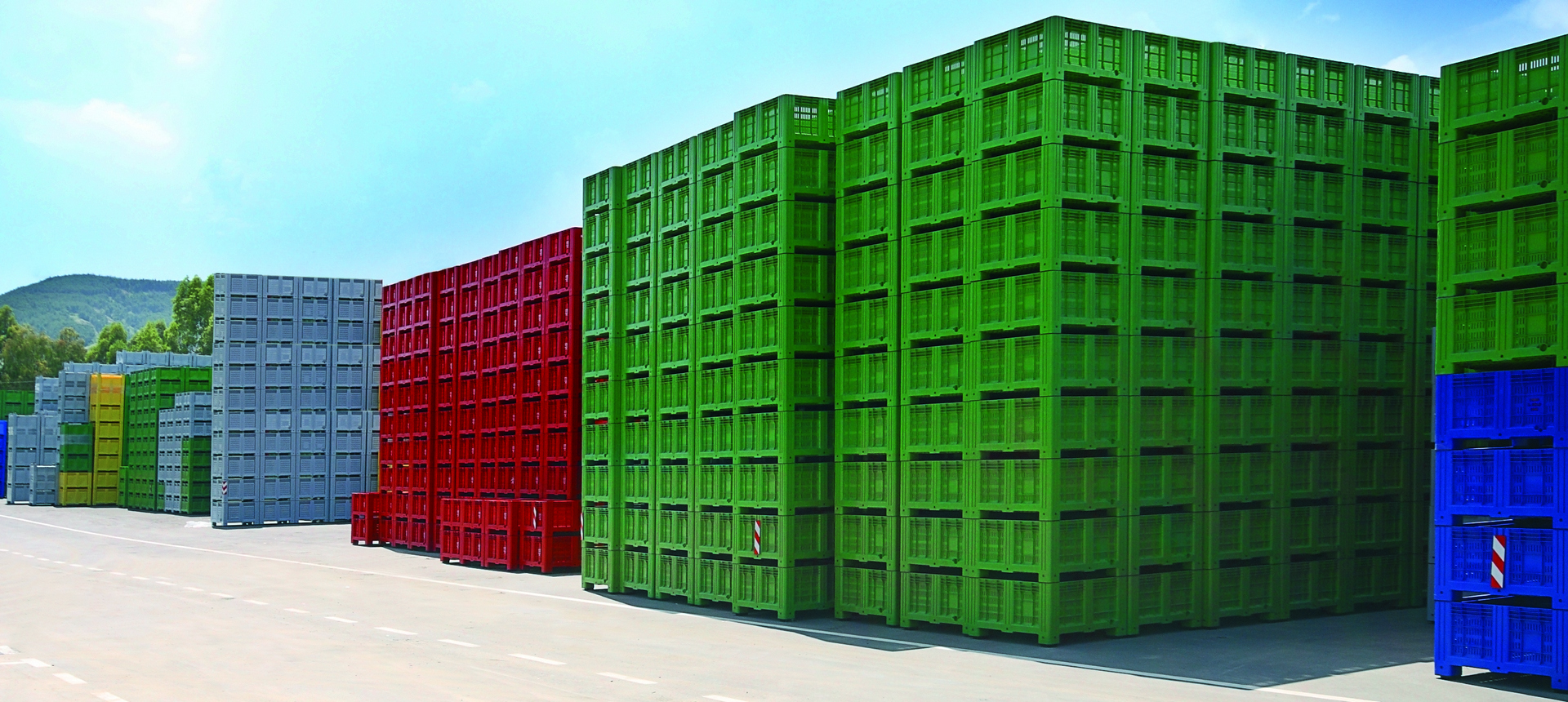
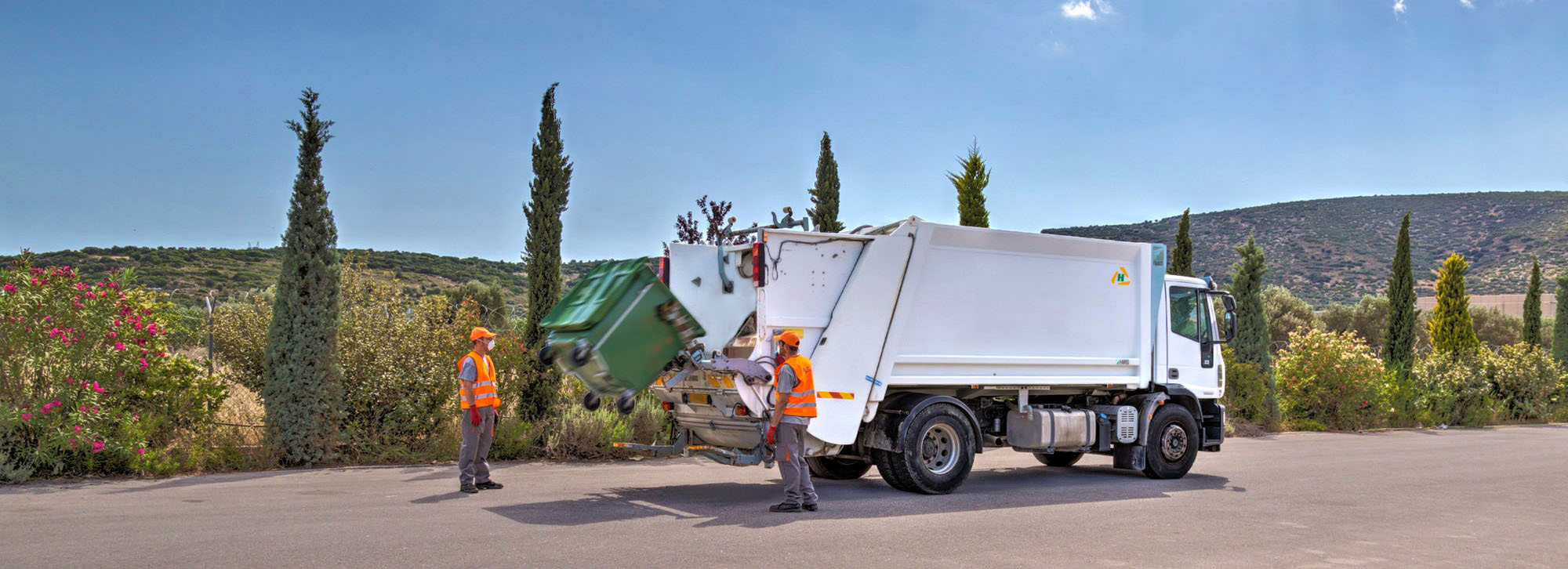
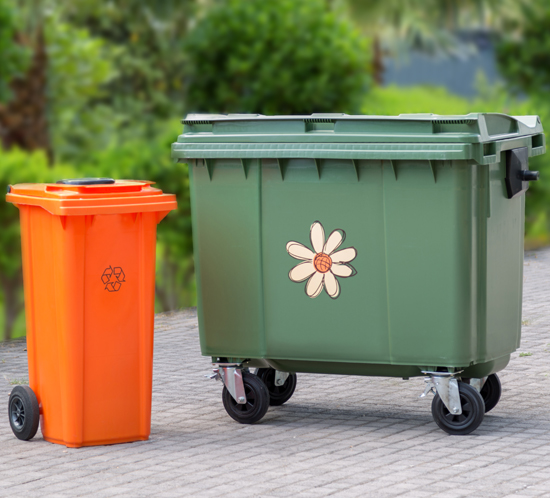
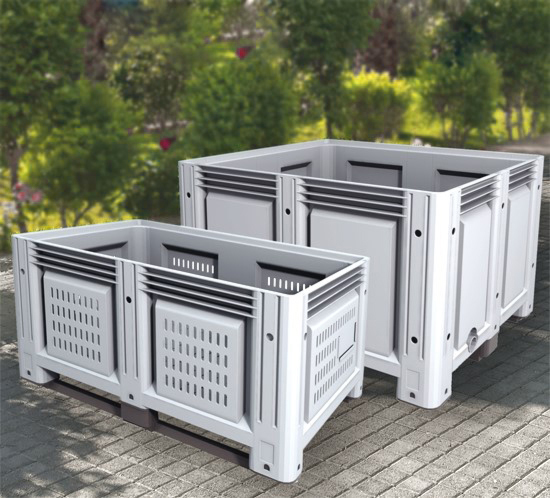
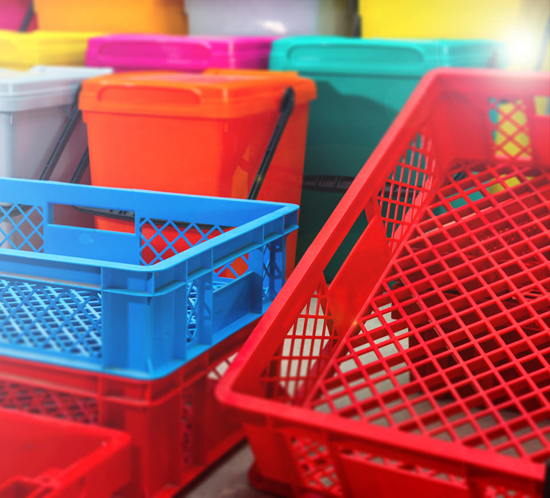
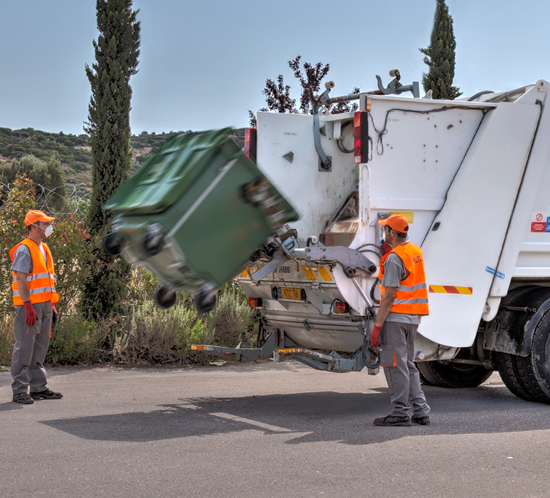
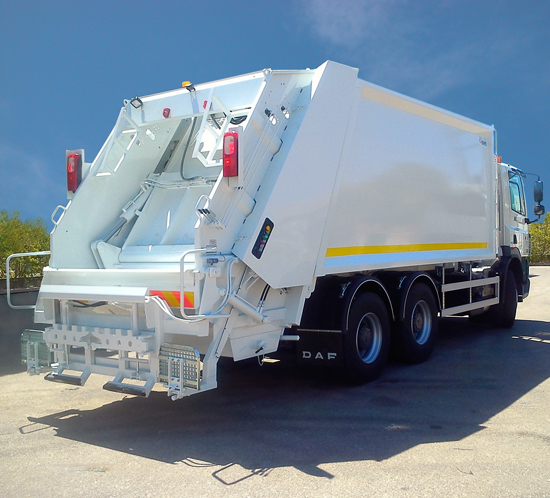
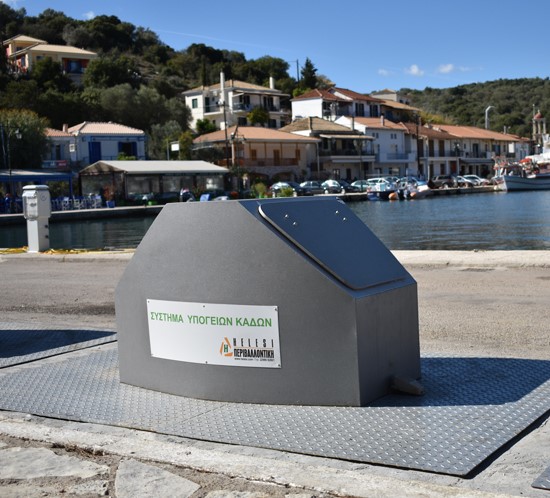
Helesi, established in 1997, is a leading manufacturer of plastic injection-moulded products. Its objective is the design and implementation of integrated waste management systems, municipal waste collection, recycling and cleaning services. As a modern company worldwide in the sector of plastic injection moulding, it bases its techniques on up-to-date methods concerning the production of specialized plastic products and waste bins in any standardized size or capacity. At the same time, it supplies a wide range of vehicles, services and equipment in the use of waste management.
Helesi, managed by a highly experienced team, having a significant know-how, presents one of the major players in the Greek and International markets. Through the establishment of long-term relationships with its customers and investment in innovation and advanced technology, Helesi has established a global distribution network in a strategic geographical position.
High quality products and safety of use are of significant importance to Helesi. All of its products are manufactured, tested and certified according to the latest European standards, such as the European EN 840 1-6 and certified by TUVRheinland. They demonstrate a product compliance across a wide range of technical disciplines, assuring any of its clients on the durability, quality and safety of any item acquired.
All vehicles carry a CE mark according to the 2006/42 machinery directive, conform to all current Euro Norms and comply to Directive 2007/46/EC in relation to their type approval.
Helesi is certified according to ISO 9001:2015 Quality Management System Standard, ISO 14001: 2015 Environmental Standard System and ISO 45001:2018 Occupational Health and Safety Management System Standard.
Helesi provides standard and customized solutions at the minimum possible cost in recycling, environmental projects, waste disposal, food storage and transport-distribution of agricultural products through a superior product design. We design and implement customized waste management strategies based on environmental, financial, geographic or any other particular characteristics ad hoc.
We believe that research & development are key factors in the pursuit of success and we invest highly in this area. We maintain in-house research, design and testing facilities, and a high expertise research & development department that focuses on, analyses and develops up-to-date products, in accordance with mechanised waste collection systems trends, increasingly stringent EU regulations on waste treatment and disposal procedures and changing consumption patterns.
Helesi R&D department is in collaboration with significant Greek Universities and the R&D departments of our main suppliers. Moreover, our considerable experience in research projects enables us to continuously develop our original products and waste management systems and at the same time our corporate responsibility ensures that our wide range of products constantly conforms to the highest standards.
Over the last 3 years Helesi exports in more than 50 countries, in 5 continents .
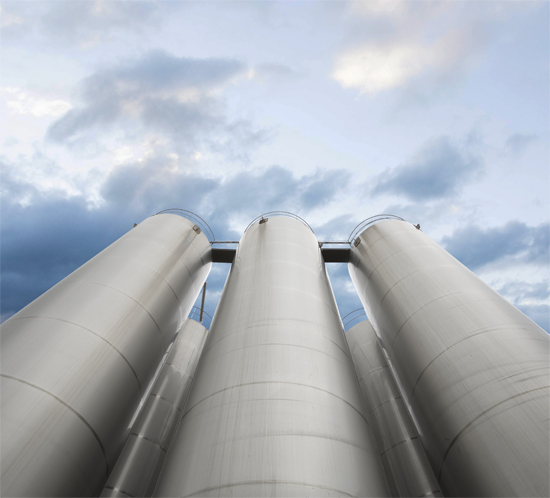

The production unit of plastic and recycling products is located in the industrial area of Komotini within a privately owned [more ..]

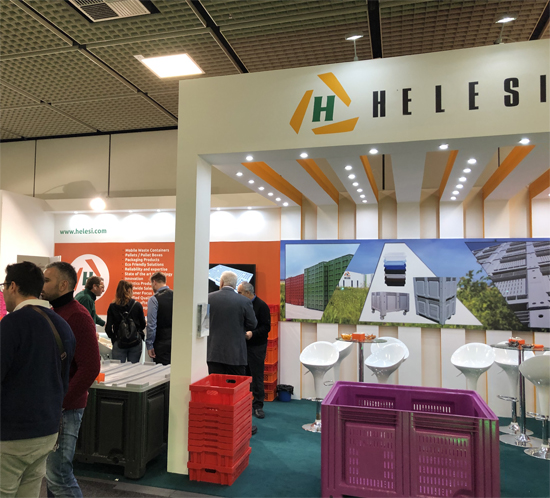
Our company has gladly taken part in the world known exhibition “Fruit Logistica 2019” that took place from the 6th [more ..]
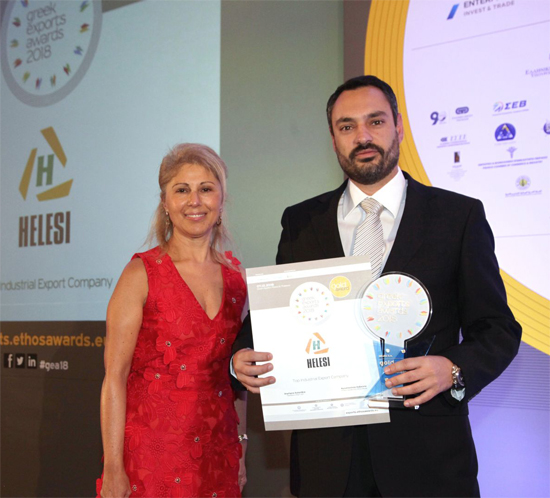
On December 7th , 2018, Helesi S.A. was awarded for 3rd consecutive year with the major distinction Gold Award in [more ..]
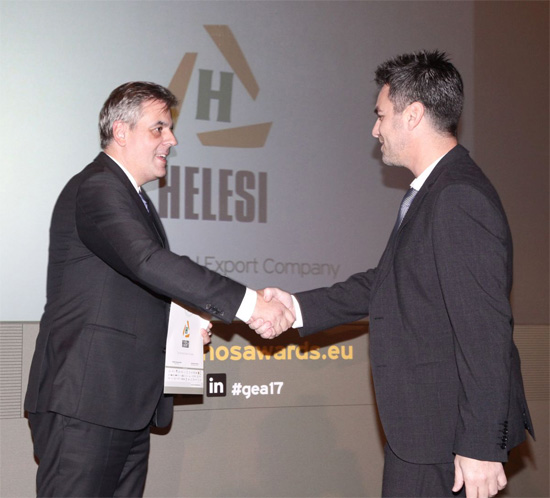
On December 1st, 2017, Helesi S.A. was awarded with the major distinction Gold Award in the category “Top Export Companies” [more ..]